
Feeling stuck in your workouts? Learn why fitness plateaus happen, and how workout variety, interval training, and smart programming can help you keep progressing.

5 minutes
If your workouts have started to feel routine, or your progress has slowed down, you’re not alone. Hitting a plateau is one of the most common challenges in fitness. And while it can feel frustrating, it’s actually a sign that your body is doing exactly what it’s designed to do: adapt. The key to continued progress isn’t simply pushing harder. It’s introducing the right kind of change at the right time.
A workout plateau happens when your body becomes efficient at the demands you’re placing on it.
That’s a good thing at first. Your body is designed to adapt to stress. When you repeat the same movements, same structure, and same intensity over time, your body learns how to handle it with less effort. But eventually, the challenge that once created results no longer creates enough stimulus to keep progressing. In simple terms: what got you here won’t always get you there.
Many people assume stalled progress means they need to work harder. Usually, the opposite is true. They don’t need to work harder or more often, they need a new challenge.
That challenge can come in many forms:
The goal isn’t random change, it’s strategic change. That’s where Basecamp stands apart. Variety isn’t an afterthought in our programming; it’s one of the principles it’s built on. We intentionally rotate interval styles, shift muscle-group focus throughout the week, and draw from a library of more than 300 workout templates and growing; so your body is continually challenged in new ways and no two days feel exactly the same. That constant evolution helps prevent stagnation, keeps training engaging, and gives you the kind of smart stimulus needed to push past plateaus and keep seeing results.
One of the biggest mistakes people make is confusing consistency with repetition. Consistency means continuing to train. Repetition means doing the same thing over and over. These efforts are not the same and provide different results.
The most effective training programs use variety with purpose. They rotate stimulus, movement patterns, pacing, and focus areas so the body continues adapting while reducing burnout and boredom.
When workouts change intelligently, you’re more likely to:
Adding weight to the bar is one way to improve, but it’s far from the only way. You can also challenge the body by increasing effort density, extending work periods, improving control, moving faster with good form, or reducing rest between rounds. Sometimes progress looks like lifting more. Sometimes it looks like recovering faster, moving better, or sustaining effort longer. That’s real fitness too.
To keep improving, your body needs progressive overload: a gradual increase in the demands placed on it. While many people associate this strictly with lifting heavier weights, overload can come in many forms.
When you introduce structured variety into your workouts, you:
This is why well-designed programs don’t stay static. They evolve over time to match your body’s ability to adapt.
While variety is essential, it has to be applied with intention. Random workouts may feel challenging, but they often lack the progression needed for sustainable results.
Structured programming ensures that variation is introduced in a purposeful way, whether that’s through changes in intensity, interval timing, movement pairings, or overall workout format. This approach aligns with the principle of periodization, a widely accepted training strategy that involves systematically varying training variables over time to optimize performance and recovery. Periodization has been extensively supported in research, including position stands from organizations like the National Strength and Conditioning Association (NSCA), which emphasize the importance of planned variation for long-term strength and conditioning development.
One of the biggest mistakes people make when progress slows is assuming something is wrong. In reality, plateaus are a normal part of any fitness journey. Progress is rarely linear. There are seasons of rapid change, seasons of maintenance, and seasons where your body is quietly adapting beneath the surface before the next breakthrough happens.
That’s why consistency matters more than perfection. A plateau doesn’t erase the strength you’ve built, the endurance you’ve gained, or the habits you’ve created. Sometimes the best move isn’t quitting or starting over, it’s staying patient and trusting the process while making smart adjustments.
Many people think they’ve hit a plateau simply because the scale hasn’t moved. But body weight is only one data point, and often an incomplete one.
You may be gaining strength, improving cardiovascular health, building lean muscle, sleeping better, or carrying more energy into daily life, which are all signs of progress that have nothing to do with pounds lost. In many cases, body composition can improve even when scale weight stays the same.
The most successful long-term fitness journeys focus on multiple markers of progress, not just one.
Another common plateau isn’t physical, it’s mental. When workouts become repetitive, motivation naturally starts to dip. It becomes easier to skip sessions, go through the motions, or lose intensity. This is where structured group fitness can make a huge difference. Having a coach, a clear workout plan, and an environment that pushes you can help remove the mental burden of figuring it all out on your own.
At Basecamp, you don’t need to wonder what to do next or whether your workout is effective. You simply show up, plug in, and train with purpose.
Many plateaus aren’t caused by poor programming, they’re caused by inconsistency. Missing workouts, training without intensity, or letting busy weeks turn into lost months can stall progress quickly. Accountability is often the bridge between knowing what to do and actually doing it.
That’s one of the biggest advantages of training in a coached environment. When people expect you, encourage you, and push you, consistency becomes easier, and consistency is where results are built.
Plateaus feel frustrating when you view fitness week to week. They feel normal when you view fitness year to year. The healthiest, strongest people aren’t the ones who never plateau, they’re the ones who keep going anyway. They learn to adjust, stay patient, and continue showing up long enough for progress to return.
That long-game mindset is what turns temporary stalls into lasting success.
Avoiding plateaus isn’t about constantly chasing something new, it’s about applying the right kind of change at the right time. When your workouts evolve alongside your fitness level, your body is forced to continue adapting, and that’s where progress happens.
By focusing on structured variety, challenging yourself in different ways, and following a program designed to evolve over time, you create the conditions needed for continued improvement.
In the long run, the most effective workouts aren’t just the hardest ones, they’re the ones that keep working.
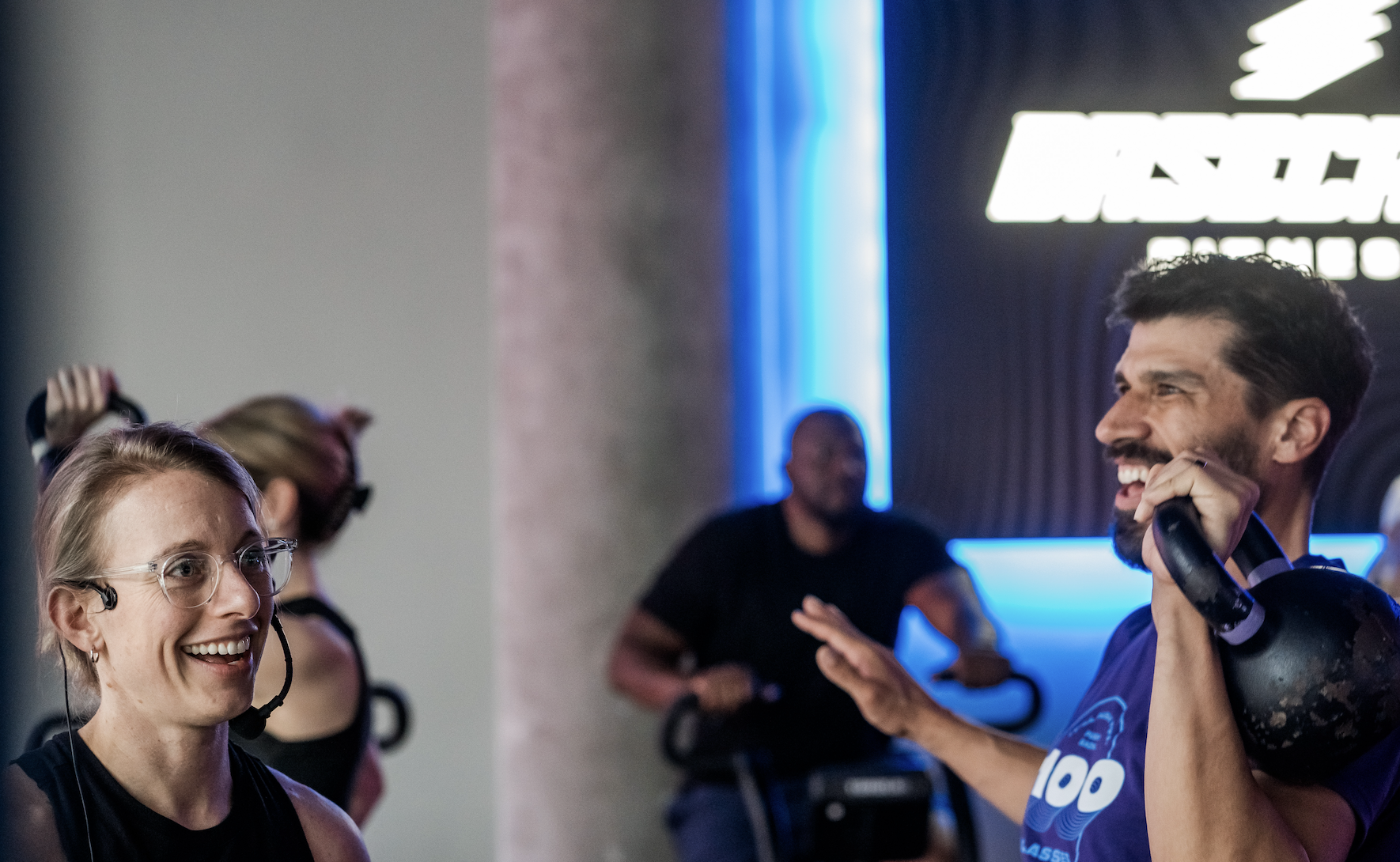

Strength isn’t just about what you see in the mirror. From better balance and stability to improved coordination and healthy aging, discover how strength training can help you move better and stay capable for years to come.
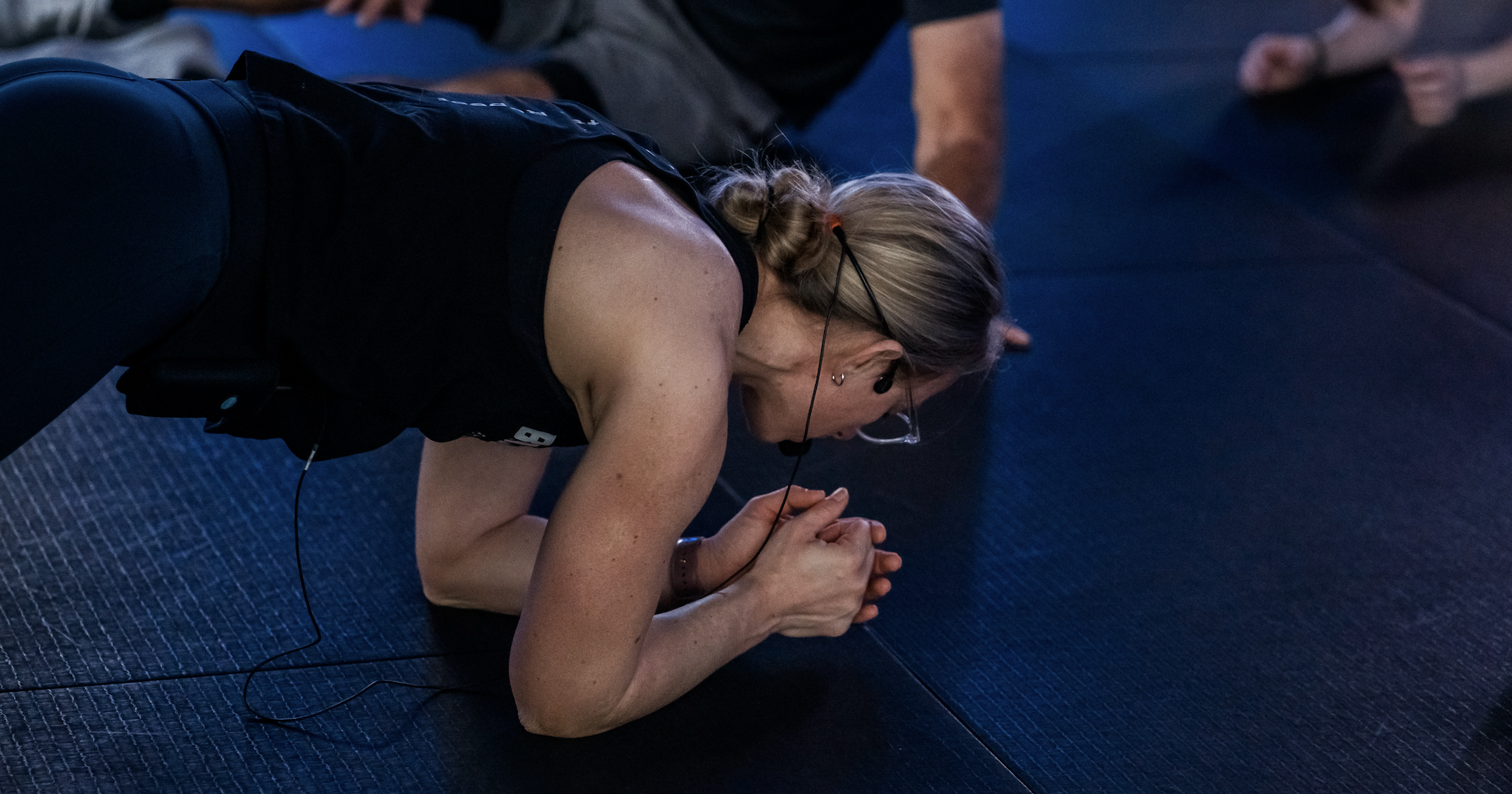
A strong core supports nearly every movement you make, from lifting weights to everyday activities. In this blog, we break down why core strength is so important, how it supports strength training, and how Basecamp Fitness works the core throughout class—with dedicated Core & Stretch time built in at the end of every workout.

Strength training is not just for experienced athletes. Learn how Basecamp makes strength-focused fitness approachable for beginners, returning exercisers, and seasoned athletes through scalable movements, expert coaching, and intentional programming.

