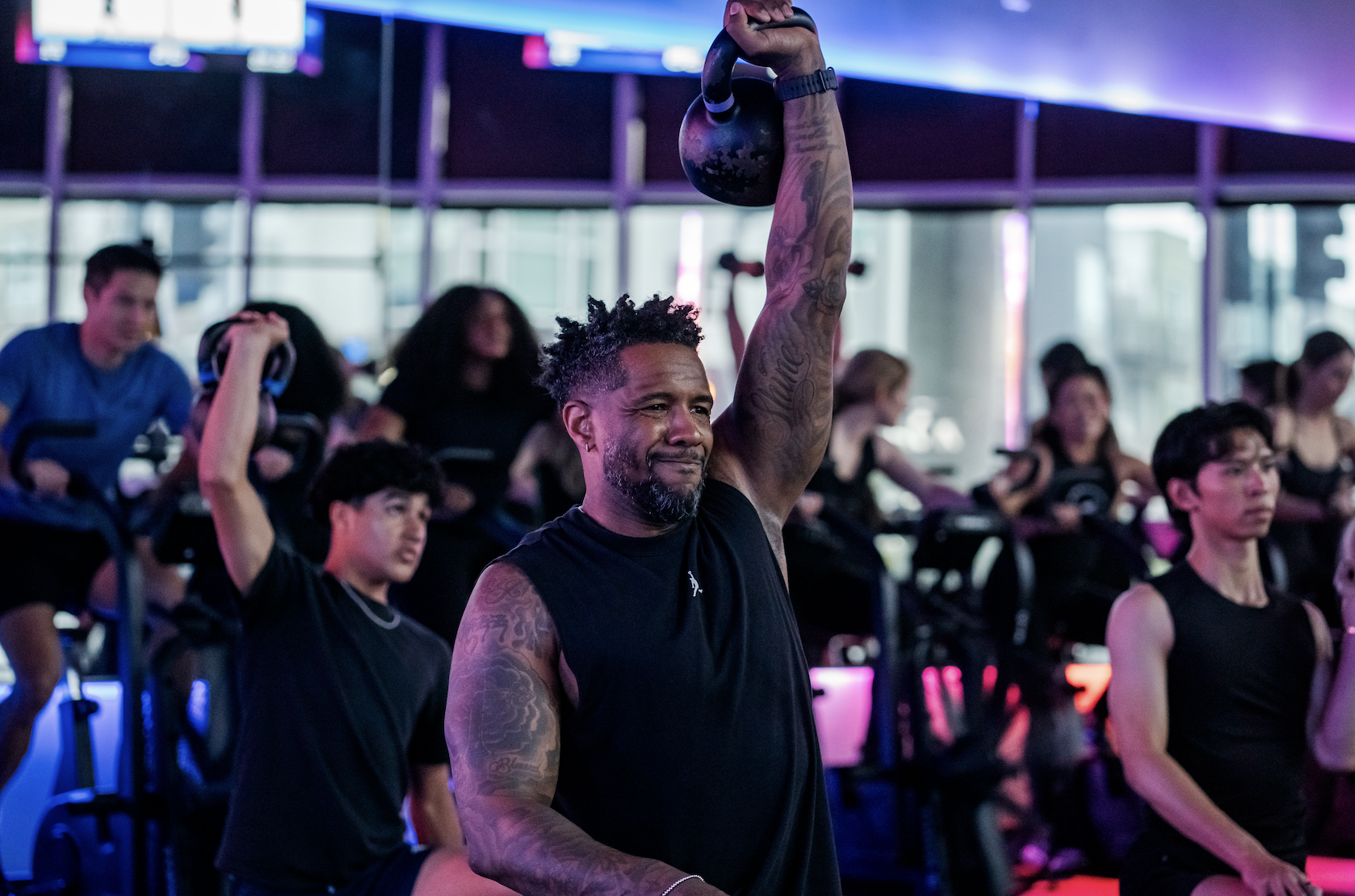
Sticking to a fitness routine isn’t about motivation — it’s about systems. Discover how structure, psychology, and environment work together to make consistency sustainable.

8 minutes
Sticking to a fitness routine isn’t a motivation problem. It’s a systems problem.
If you’ve ever felt strong for three weeks and then slowly drifted away from the gym, you’re not alone. Research consistently shows that most people don’t struggle with starting a fitness plan; they struggle with sustaining one. Understanding why that happens is the first step toward building a routine that lasts.
We’ve seen firsthand that long-term success doesn’t come from extreme plans. It comes from structure, psychology, and the environment working together.
Let’s explore what actually makes a fitness routine stick.
When you rely on how you feel to determine whether you’ll work out, you’re building your routine on something that naturally fluctuates. Stress, sleep, work, and family responsibilities, all of these can impact motivation. Those who stay consistent don’t necessarily feel more inspired; they’ve simply reduced the number of decisions required.
Behavioral science calls this reducing “friction.” When workouts are scheduled at the same time each week, when the program is already written, and when the environment supports the habit, adherence increases dramatically. Decision fatigue disappears, and exercise becomes automatic.
Ways to reduce “friction” in your routine:
The less decisions you have to make, the more likely you are to stick to something. This is one reason structured group training models consistently outperform traditional solo gym memberships.. When you walk into a coached class with a pre-designed workout, the plan is already built for you. There’s no wandering the floor, no debating which lift to do, and no internal negotiation about how hard to push yourself. The decision-making is removed. You show up, you follow the structure, and you execute.
Research on behavioral psychology consistently shows that reducing choices increases follow-through. Structured training environments eliminate guesswork, provide accountability, and create built-in progression. Instead of relying on daily motivation, you rely on a proven system, and systems are far more dependable than willpower.
Human beings repeat behaviors that produce results.
If you follow a routine for weeks and see no measurable improvement, your brain begins to question the effort. This is one of the biggest reasons people abandon fitness plans. Not because they lack discipline, but because the feedback loop is broken.
Effective fitness programs include progressive overload, meaning strength gradually increases over time. They blend resistance training and conditioning to improve body composition and cardiovascular health simultaneously. Most importantly, they provide measurable benchmarks.
When you see your strength increase, your endurance improves, or your body composition shift, you’re neurologically reinforced to continue. Progress creates momentum.
There’s a major psychological difference between someone who says, “I’m trying to work out” and someone who says, “I train.”
Research in habit formation shows that behaviors tied to identity are significantly more durable. When fitness becomes part of how you see yourself — not just something you’re experimenting with — consistency strengthens.
This doesn’t happen overnight. It develops through repetition. Showing up three days, a week becomes four. Four becomes five. Over time, the routine shifts from optional to foundational.
The goal isn’t perfection. It’s consistency. Fitness becomes something you do because it aligns with who you are.
If your workout space feels isolating, confusing, or overwhelming, consistency suffers. Conversely, when you’re surrounded by coaches who guide you and peers who push you, your likelihood of returning increases.
Social accountability plays a measurable role in exercise adherence. Studies show that individuals participating in structured group training environments maintain higher consistency rates than those training alone. Community reinforces commitment.
One of the most compelling psychological explanations for why people stick to group workouts is something called the Köhler Effect. First identified by German psychologist Otto Köhler in the 1920s and later expanded upon in modern research, the Köhler Effect suggests that individuals tend to work harder when exercising alongside others who are slightly more capable. The reason is simple but powerful: when your performance contributes to a group outcome, and you perceive yourself as the “weaker link,” motivation increases. In practical terms, this means that structured, small-group fitness environments naturally elevate effort and consistency, not through pressure, but through positive interdependence. When you train with others who push the pace and expect you to show up, adherence improves because accountability and shared performance raise your internal standard.
This is one reason for high-energy, coach-led sessions tend to outperform self-directed workouts for many people. You don’t just gain physical strength, you gain relational reinforcement.
One of the most common mistakes in fitness is overcommitment at the start.
Jumping from zero workouts to six days per week often leads to burnout. The body and the schedule both need time to adapt. A sustainable approach begins with a realistic baseline — typically three days per week — and builds from there.
Consistency compounds. A moderate, repeatable routine produces far greater long-term results than short bursts of intensity followed by weeks off.
The objective isn’t to win the week. It’s to win the year.
Sticking to a fitness routine is about far more than appearance.
Regular resistance and interval training improve insulin sensitivity, support lean muscle development, enhance cardiovascular efficiency, regulate stress hormones, and improve sleep quality. Over time, these adaptations reduce risk factors for chronic disease and support long-term vitality.
Consistency changes physiology. It strengthens the metabolic systems that govern energy, recovery, and resilience. When exercise becomes habitual, the body adapts in ways that extend well beyond the mirror.
If we simplify everything down, adherence comes from three core elements:
When these three work together, fitness becomes sustainable.
That’s why our workouts are coach-led, time-efficient, and designed around progressive training principles. You’re not left to figure it out alone. You follow a system built for consistency.
Because sticking to a fitness routine shouldn’t depend on whether you “feel like it.” It should be built into your life in a way that supports you: physically, mentally, and structurally.
If you’re searching for ways to stay consistent with workouts or looking for a structured, results-driven fitness program, the right environment can make all the difference.
Try a Basecamp Fitness class and experience what structured consistency feels like.
Your future results won’t be determined by your motivation tomorrow, they’ll be shaped by the system you start today.
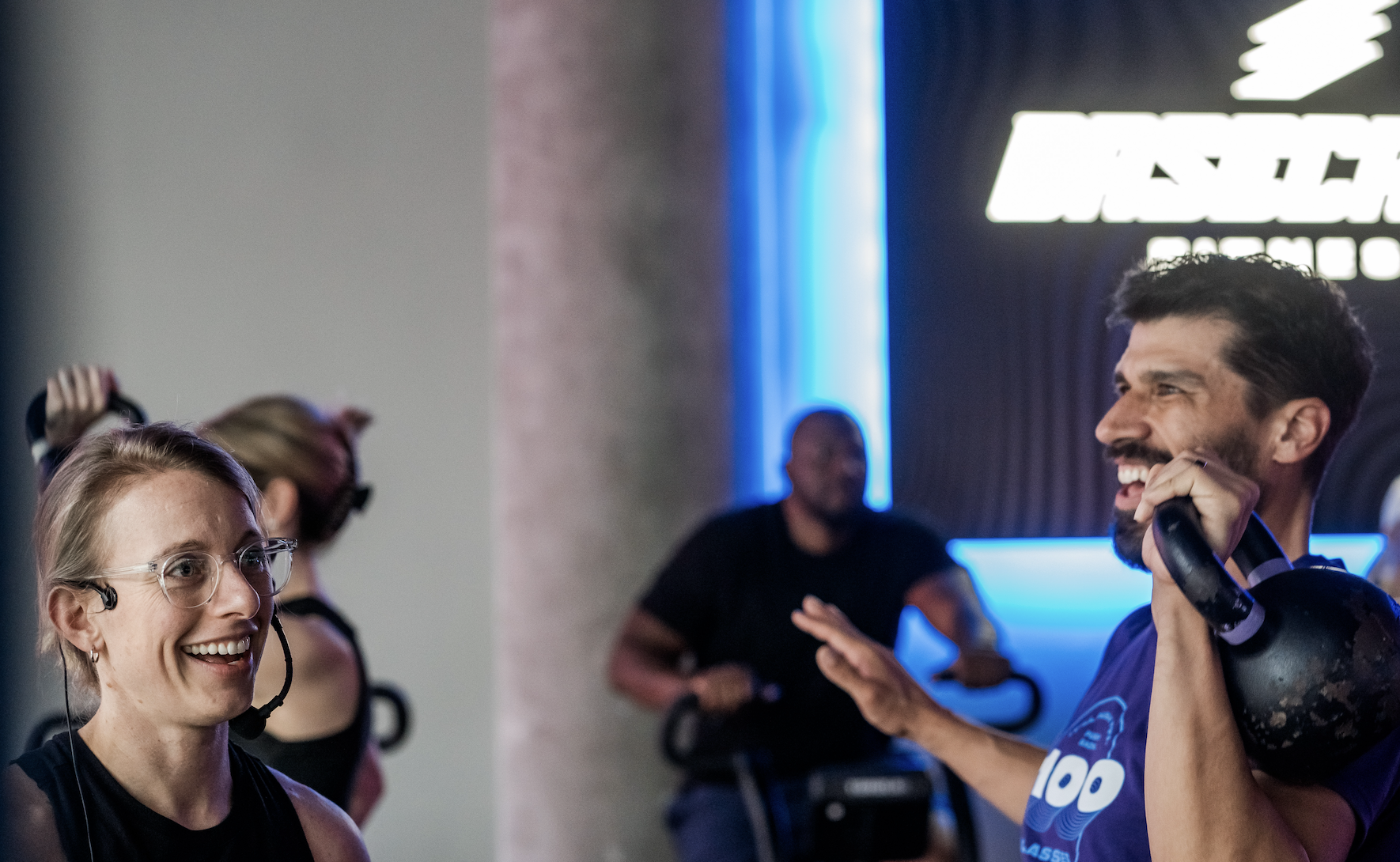

Strength isn’t just about what you see in the mirror. From better balance and stability to improved coordination and healthy aging, discover how strength training can help you move better and stay capable for years to come.

A strong core supports nearly every movement you make, from lifting weights to everyday activities. In this blog, we break down why core strength is so important, how it supports strength training, and how Basecamp Fitness works the core throughout class—with dedicated Core & Stretch time built in at the end of every workout.

Strength training is not just for experienced athletes. Learn how Basecamp makes strength-focused fitness approachable for beginners, returning exercisers, and seasoned athletes through scalable movements, expert coaching, and intentional programming.

