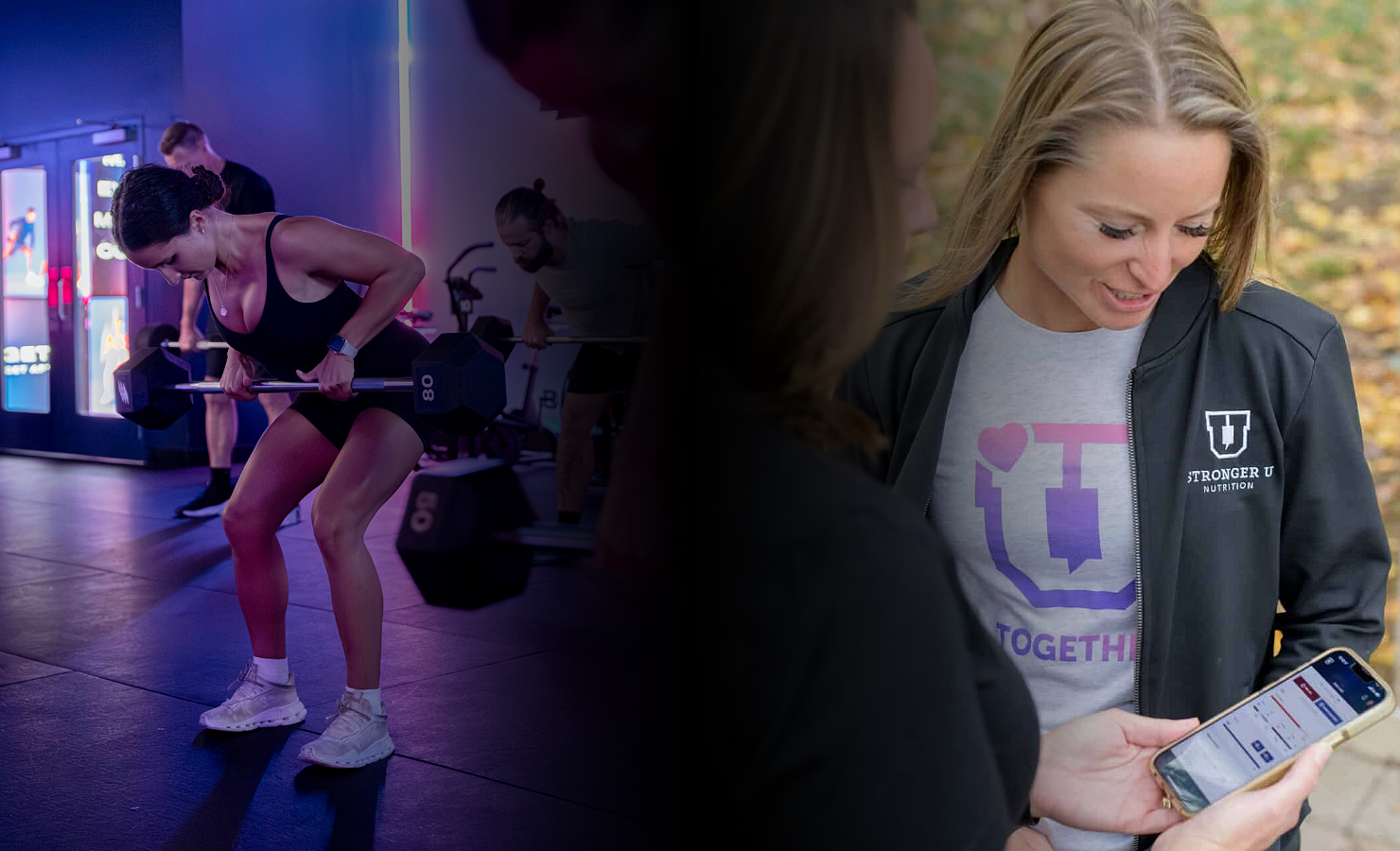
Nutrition doesn’t have to be extreme to be effective. This article explains what macros are, why they matter for fat loss and muscle gain, and how tracking them consistently can help you get more out of your Basecamp workouts.

8 minutes
Showing up to Basecamp and putting in the work is a powerful step toward transformation. Whether you’re pushing the pace on aerobic work, lifting heavier, or simply leaving class feeling stronger than when you walked in, your training matters.
But training is only part of the equation.
What you do outside the gym, especially how you fuel your body, plays a major role in how much progress you’ll see.
With a specific goal and timeline in place, it’s tempting to look for shortcuts: extreme diets, all-or-nothing rules, or quick fixes that promise fast results. But real, lasting change doesn’t come from restriction or perfection. It comes from clarity, consistency, and a nutrition plan that actually supports the work you’re doing at Basecamp.
Think about nutrition the same way you approach training: You don’t sprint at max effort for an entire class, you follow a structure, focus on the fundamentals, and trust the process. Nutrition works the same way!
When you understand the basics and apply them consistently, nutrition becomes a powerful tool- helping you recover better, perform stronger, and move closer to your goals.
Many people start with the goal of “losing weight.” But when you dig deeper, most people don’t simply want to see a lower number on the scale.
What they really want is:
In other words, body composition change, not just weight loss.
While it’s possible to lose fat and gain muscle at the same time, these goals can compete with one another. One requires building tissue, the other requires reducing stored energy. Progress tends to be clearer and more sustainable when you choose a primary focus and align your nutrition to support it.
Before diving into calories and macros, it’s important to address one of the most powerful tools for body composition change: food tracking.
Tracking isn’t new, fancy, or perfect- but it is effective.
If you want to change something, you first need awareness. Tracking helps you:
There are many free tools available, including apps like MyFitnessPal and Cronometer. Programs like StrongerU Nutrition also provide in-app tracking support and coaching guidance.
Tracking doesn’t have to be forever. Think of it as a temporary tool- one that accelerates learning and helps you reach your goal more efficiently.
To understand body composition change, we need to understand energy balance.
Energy balance compares:
In simple terms:
While many factors influence metabolism and energy use, this balance is the primary driver of body weight and body composition change.
Because fat loss and muscle gain require opposite calorie strategies, it’s important to choose a primary goal and set calorie targets accordingly.
Calories tell you how much you’re eating (energy). Macros tell you where that energy is coming from, and how it’s distributed.
Macronutrients include:
All three play critical roles in health and performance, but protein becomes especially important when body composition change is the goal.
Protein supports:
During fat loss, protein helps preserve muscle while calories are reduced. It’s also the least likely macronutrient to be stored as body fat and requires more energy to digest.
When calories are lower, hunger can increase- and hunger makes consistency harder. Prioritizing protein helps control appetite and improves adherence to your plan.
A simple starting point based on bodyweight:
These are starting estimates. Track progress for a few weeks and adjust as needed.
Aim for 0.7–1 gram of protein per pound of bodyweight.
If fat loss is the goal, you may use your goal weight to estimate protein needs.
Protein intake should remain high regardless of whether your goal is fat loss or muscle gain.
Fat is essential for hormone health and vitamin absorption.
A good range is 0.25–0.5 grams per pound of bodyweight.
Avoid setting fat too low—your body needs it.
Once protein and fat are set, the remaining calories come from carbohydrates. Carbs support training performance, recovery, and energy levels—especially during high-intensity workouts like Basecamp.
Once your calorie and macro targets are set, plug them into your tracking app and focus on consistency- not perfection.
Nutrition doesn’t need to be extreme or overwhelming. When it’s structured, intentional, and repeatable, it becomes a tool that supports everything you’re working toward.
If you want personalized guidance, working with a coach—such as those at StrongerU—can remove guesswork and help you align nutrition with your lifestyle, preferences, and goals. Accountability and support often make the difference between starting strong and finishing stronger.


Strength isn’t just about what you see in the mirror. From better balance and stability to improved coordination and healthy aging, discover how strength training can help you move better and stay capable for years to come.
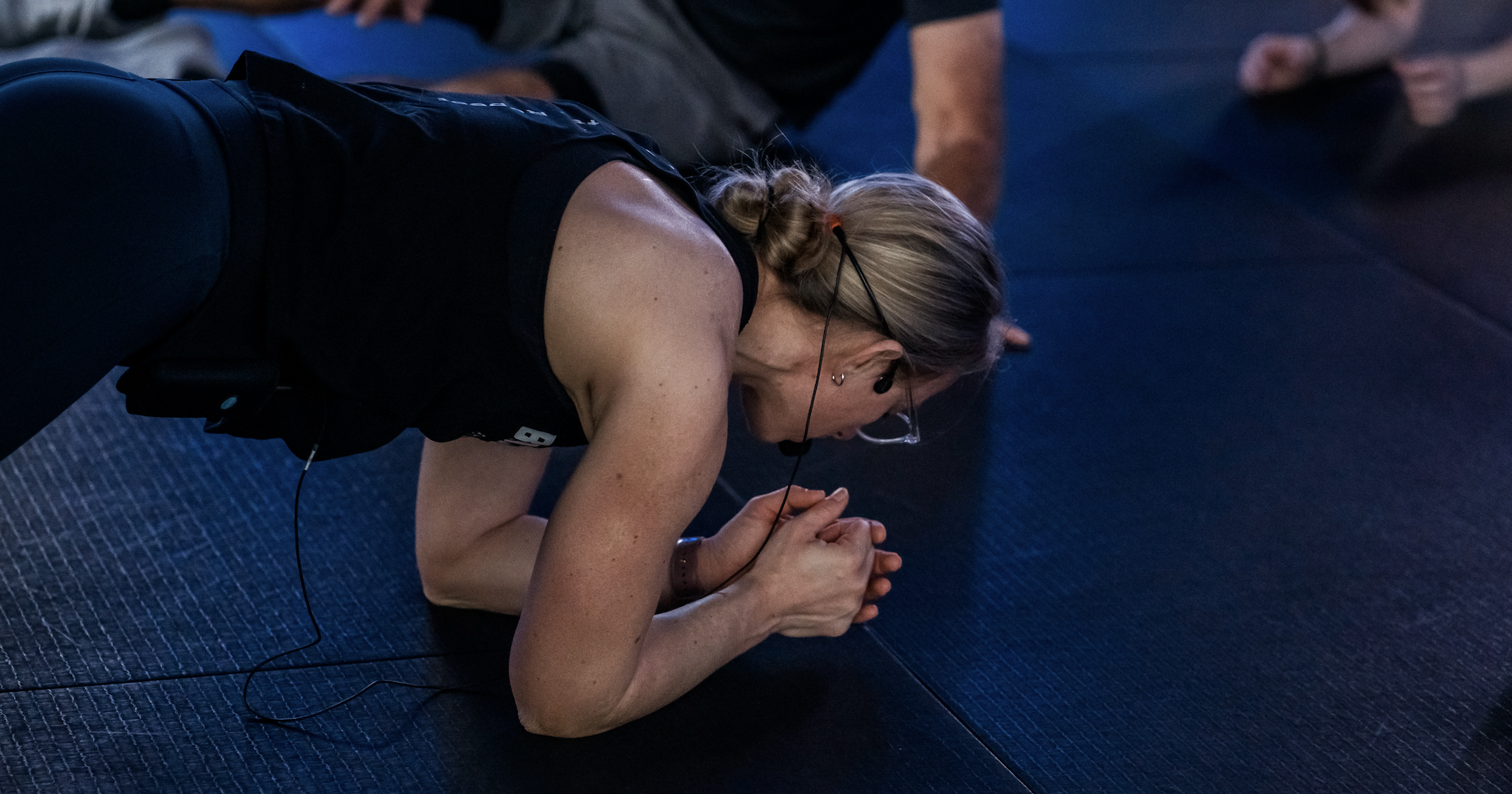
A strong core supports nearly every movement you make, from lifting weights to everyday activities. In this blog, we break down why core strength is so important, how it supports strength training, and how Basecamp Fitness works the core throughout class—with dedicated Core & Stretch time built in at the end of every workout.

Strength training is not just for experienced athletes. Learn how Basecamp makes strength-focused fitness approachable for beginners, returning exercisers, and seasoned athletes through scalable movements, expert coaching, and intentional programming.

