
Discover the benefits of strength training for every fitness level and how Basecamp combines coach-led strength and cardio in one 35-minute workout.

7 minutes
Strength training is not only for experienced athletes, bodybuilders, or people who already feel comfortable in a weight room. It is one of the most adaptable forms of exercise, making it beneficial for beginners, longtime fitness enthusiasts, and nearly every level in between.
The key is starting with the resistance, movement variation, and pace that work for your body. A beginner might perform a bodyweight squat or use a lighter dumbbell, while a more experienced athlete may use heavier resistance or a more challenging variation. Both people are strength training, and both can make meaningful progress.
At Basecamp Fitness, you do not need to become stronger before walking through the door. Our coach-led workouts help you build strength from your current starting point. Every class combines dedicated strength training with high-energy cardio intervals, giving you a balanced, full-body workout in just 35 minutes.
Whether you are beginning your fitness journey, returning after time away, or looking for a new challenge, strength training can help you move better, feel more capable, and become stronger inside and outside the studio.
Strength training, also known as resistance training, is any form of exercise that challenges your muscles to work against resistance. That resistance can come from dumbbells, kettlebells, barbells, resistance bands, exercise machines, or your own body weight.
Common strength training exercises include squats, lunges, presses, rows, deadlifts, carries, and core movements. These exercises strengthen the movement patterns you use during workouts, sports, and everyday life.
Strength training does not always mean lifting the heaviest weight possible. Effective strength training is about selecting an appropriate level of resistance, moving with control, and gradually increasing the challenge as your strength and confidence improve.
At Basecamp, the strength portion of each workout is intentionally programmed. Members perform a variety of functional strength exercises designed to train different muscle groups and movement patterns. Coaches demonstrate each exercise, help members choose appropriate weights, and provide modifications when needed.
This structured approach makes strength training more approachable, especially for people who may feel uncertain about where to begin in a traditional gym.
The benefits of strength training extend far beyond lifting heavier weights. Building and maintaining muscle can support the way you move, feel, and perform throughout your daily life.
Strength training can make everyday activities like carrying groceries, climbing stairs, lifting a child, or picking something up from the floor feel more manageable. It can also support better balance, stability, posture, and overall physical confidence.
For beginners, strength training helps establish a foundation of movement and body awareness. For experienced exercisers, it provides opportunities to increase resistance, improve technique, and continue progressing toward new goals. As people get older, maintaining strength becomes especially valuable for staying active and independent.
Strength training also complements cardiovascular exercise. Cardio challenges your heart and lungs, while strength training challenges your muscles. A well-rounded fitness routine should include opportunities to improve both.
That is why Basecamp combines strength and cardio in every workout. Instead of forcing members to choose between lifting weights and completing a high-intensity cardio workout, Basecamp brings both together in one efficient, coach-led class.
High-intensity interval training, commonly known as HIIT, can be an effective way to challenge your cardiovascular fitness. However, not every HIIT workout places the same emphasis on building strength.
Many HIIT classes focus primarily on moving quickly, completing a high number of repetitions, and keeping the heart rate elevated. Even when weights are included, the resistance may be treated as another way to increase intensity rather than as part of an intentionally programmed strength workout.
Building strength requires more than simply holding a dumbbell while moving fast. It involves thoughtful exercise selection, appropriate resistance, controlled movement, proper technique, and opportunities to progress over time.
Basecamp is different because strength training is not an occasional add-on to the workout. It is a central part of the class experience. The workout alternates between cardio intervals on the bike and dedicated strength intervals on the floor, allowing members to train muscular strength and cardiovascular endurance in the same 35-minute session.
This strength-focused approach gives members the energy and intensity they expect from a HIIT workout while still creating meaningful opportunities to lift, learn, and get stronger.
Starting a strength training program can feel intimidating, especially when you are unsure which exercises to perform, how much weight to use, or whether you are moving correctly. Basecamp removes much of that uncertainty by providing a structured workout and a coach to guide you through it.
Every movement can be adjusted to match your current fitness level. You may use a lighter weight, reduce your range of motion, slow down the movement, remove impact, or perform a different exercise variation. These modifications are not lesser versions of the workout. They allow you to train effectively while respecting your experience, mobility, and individual needs.
Basecamp coaches demonstrate the exercises, explain the intended focus, and help members select an appropriate level of resistance. They can also provide real-time guidance and encourage you to increase the challenge when you are ready.
You also do not need to create your own strength training plan. Each class is already programmed, with the movements, timing, equipment, and transitions laid out for you. All you need to do is show up and follow the workout.
Because every member can choose their own weights and modifications, beginners and experienced athletes can complete the same class together while still receiving an appropriate challenge.
Strength training will not look exactly the same for every person—and it should not. An effective workout meets you at your current level and gives you room to progress.
For someone who is new to strength training, the first goal may be learning foundational movements and becoming comfortable using weights. Starting with lighter resistance can help you focus on control, technique, and confidence before increasing the challenge.
If you are returning to exercise after time away, strength training can help you gradually rebuild your routine. Rather than comparing your current performance to what you could do in the past, focus on consistency and selecting weights that feel manageable today.
More experienced exercisers may choose heavier resistance, more advanced movement variations, or a faster transition between exercises. They can focus on improving technique, increasing strength, and challenging muscular endurance.
Basecamp allows each person to approach the workout differently. One member may complete a movement using body weight, another may use moderate dumbbells, and another may lift heavier. Each person can still receive an effective strength workout.
Your starting point does not determine whether strength training is for you. It simply determines which version of the movement is right for you today.
The best way to begin strength training is to start gradually and focus on learning the movements before worrying about lifting heavier weights.
Let your Basecamp coach know that you are new to strength training, returning after a break, or working around a limitation. This gives the coach an opportunity to provide additional guidance, suggest modifications, and help you choose an appropriate starting weight.
During each exercise, prioritize controlled movement and proper technique. A lighter weight that allows you to move confidently is often more effective than a heavier weight that causes you to rush or lose control. As your technique and strength improve, you can gradually increase the resistance.
It is also important to give your body time to adapt. Some muscle soreness can be common when beginning a new workout routine, but progress does not require pushing through sharp pain or ignoring how your body feels. Use modifications when needed and allow time for recovery between challenging workouts.
Most importantly, focus on consistency rather than perfection. Strength is built one workout, one movement, and one smart decision at a time.
At Basecamp Fitness, you will have a coach, a clear plan, and a supportive community with you throughout the process. You do not need to know everything before your first class. You simply need to be willing to start.
Yes. Strength training is beneficial for beginners because exercises, weights, and movement variations can be adjusted to match a person’s current fitness level. Beginners can start with bodyweight movements or lighter resistance while focusing on proper form and gradually building strength over time.
At Basecamp Fitness, coaches demonstrate each movement and provide modifications, making strength training more approachable for people who are new to working out.
No. You do not need to reach a certain fitness level before beginning strength training. A well-designed strength workout should meet you where you are and allow you to progress at your own pace.
You can begin with lighter weights, a smaller range of motion, or a modified exercise. As your confidence, mobility, and strength improve, you can gradually increase the challenge.
Strength training can help build and maintain muscle, improve physical strength, support balance and stability, and make everyday activities feel easier. It can also help people feel more confident in what their bodies can do.
Strength training benefits go beyond lifting heavier weights. It can support daily movements such as carrying groceries, climbing stairs, lifting objects, and staying active over time.
Basecamp Fitness combines strength training and high-intensity interval training in one 35-minute workout. Members alternate between cardio intervals on the bike and dedicated strength exercises on the floor.
Unlike many cardio-focused HIIT classes, strength training is a central part of the Basecamp workout. Each class is intentionally programmed to challenge both muscular strength and cardiovascular fitness.
Many HIIT workouts focus primarily on speed, repetition, and keeping the heart rate elevated. Basecamp places a greater emphasis on strength training by dedicating a significant portion of every class to resistance-based exercises.
The combination of strength and cardio allows members to build muscle, improve endurance, and complete a well-rounded workout without having to choose between lifting weights and doing cardio.
Many beginners start with two or three strength training workouts per week, depending on their goals, schedule, recovery, and overall activity level. The most important factor is choosing a routine that feels manageable and can be followed consistently.
Beginners should allow their bodies time to adapt, especially when starting a new strength training program. A Basecamp coach can help members select appropriate weights and exercise modifications during class.
There is no single starting weight that is right for every beginner. The best weight is one that feels challenging while still allowing you to complete the exercise with control and proper form.
If the weight causes you to rush, lose control, or significantly change your technique, it may be too heavy. Basecamp coaches can help you choose an appropriate weight and make adjustments throughout the workout.
Yes. Most strength training exercises can be modified based on experience, mobility, injuries, or personal comfort. Modifications may include using a lighter weight, reducing the range of motion, removing impact, slowing down the movement, or choosing a different exercise variation.
A modified movement is not a lesser workout. It is a way to make the exercise more effective and appropriate for your body.
Yes. A 35-minute strength and cardio workout can be effective when the class is intentionally programmed and the work intervals are used efficiently. Workout quality, consistency, exercise selection, and appropriate resistance are often more important than spending a long time in the gym.
Basecamp’s 35-minute workout is designed to reduce wasted time while giving members dedicated opportunities to train strength and cardiovascular endurance.
No. People strength train for many different reasons, including becoming stronger, improving movement, supporting athletic performance, increasing confidence, and making everyday activities easier.
Building significant muscle size generally requires specific training, nutrition, recovery, and long-term progression. Participating in strength training does not automatically lead to a bulky appearance.
Strength exercises can often be modified, but individual needs vary. Anyone with an injury, medical condition, significant pain, or exercise restriction should speak with a qualified healthcare professional before beginning a new workout program.
You should also tell your Basecamp coach about any relevant limitations before class so they can provide appropriate exercise options within their scope.
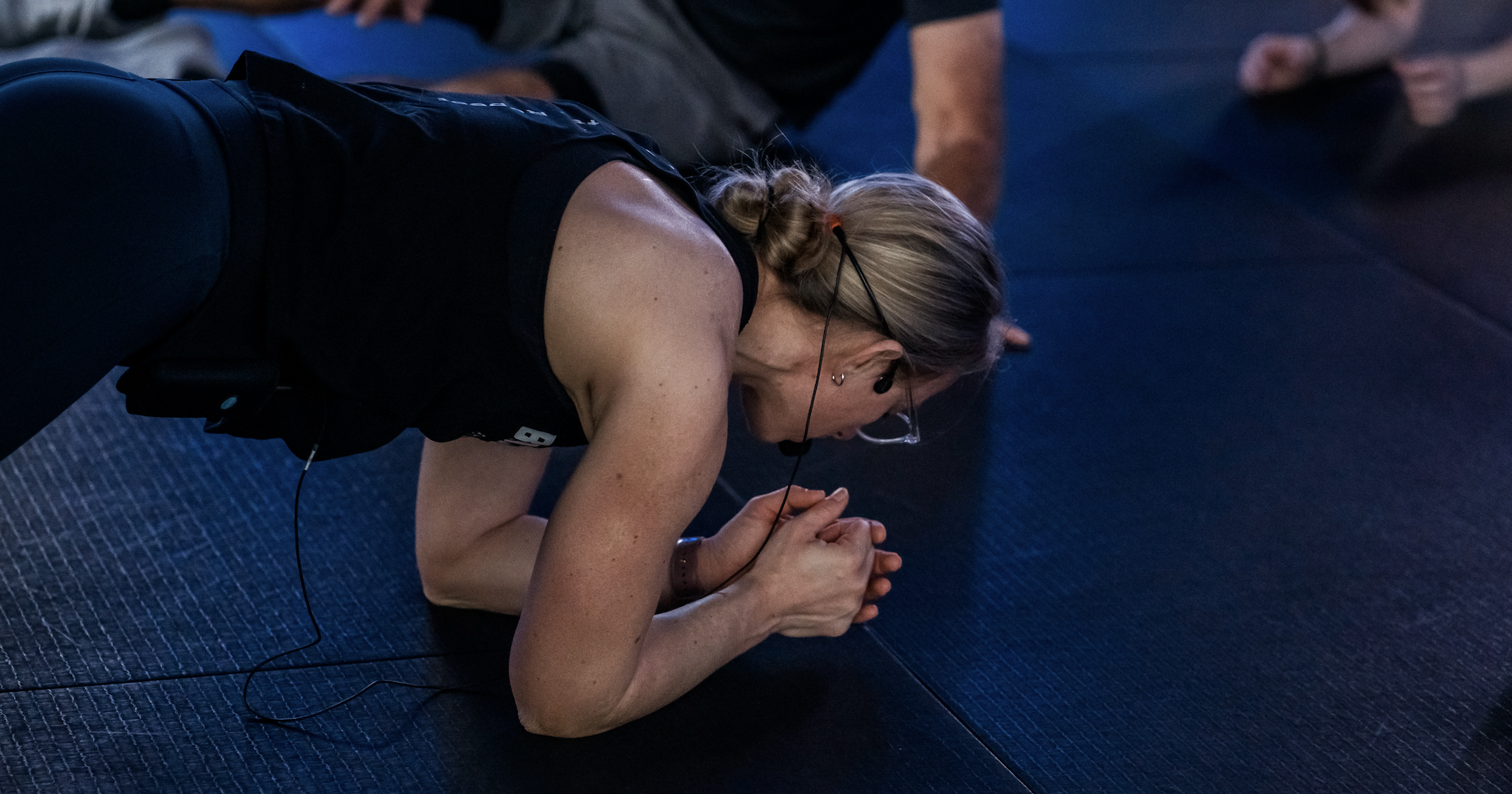

A strong core supports nearly every movement you make, from lifting weights to everyday activities. In this blog, we break down why core strength is so important, how it supports strength training, and how Basecamp Fitness works the core throughout class—with dedicated Core & Stretch time built in at the end of every workout.
Strength training is not just for experienced athletes. Learn how Basecamp makes strength-focused fitness approachable for beginners, returning exercisers, and seasoned athletes through scalable movements, expert coaching, and intentional programming.

Results slow down when workouts stay the same. This article explains how structured variety, progressive overload, and evolving programming help prevent plateaus and keep fitness progress moving forward.

